


No women, no peace. Round table dialogue on 25 years of UN Resolution 1325 held in Ramallah

Peace is stronger when women lead. This year marks 25 years since the adoption of the UN Security Council Resolution (UNSCR) 1325 on women’s full, equal, and meaningful participation. As everywhere, this is the case in Palestine.
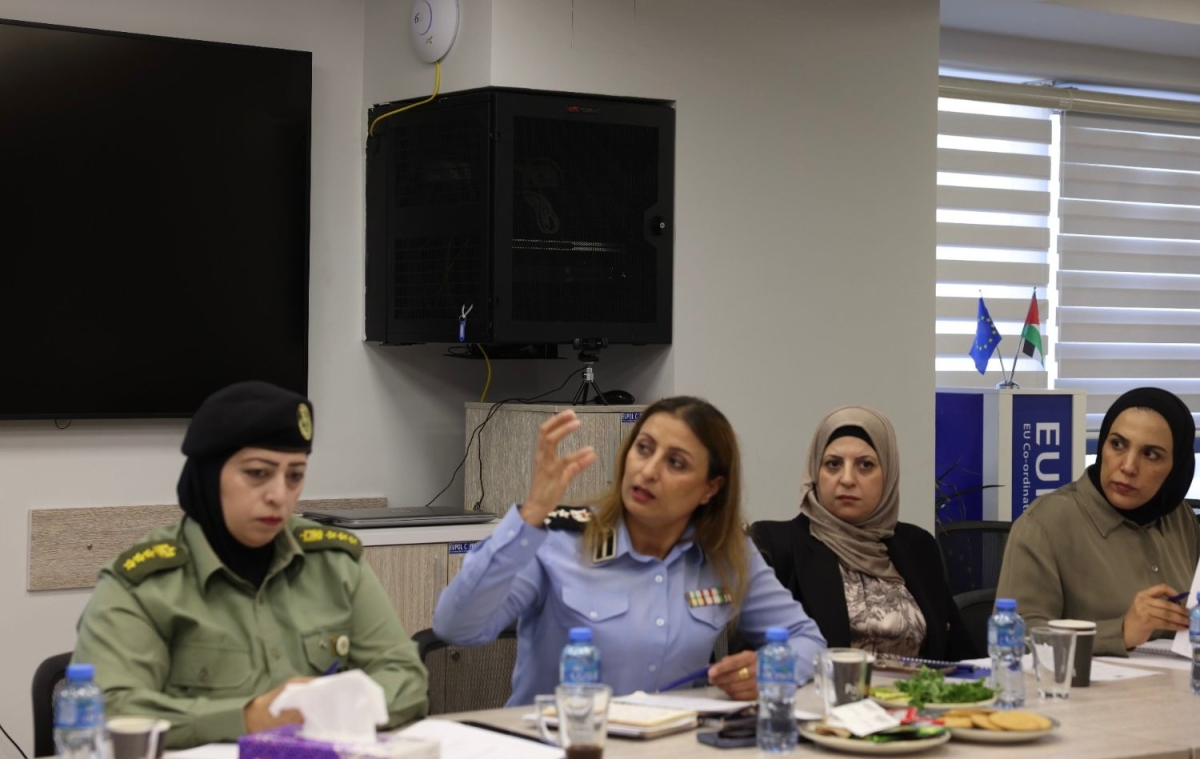
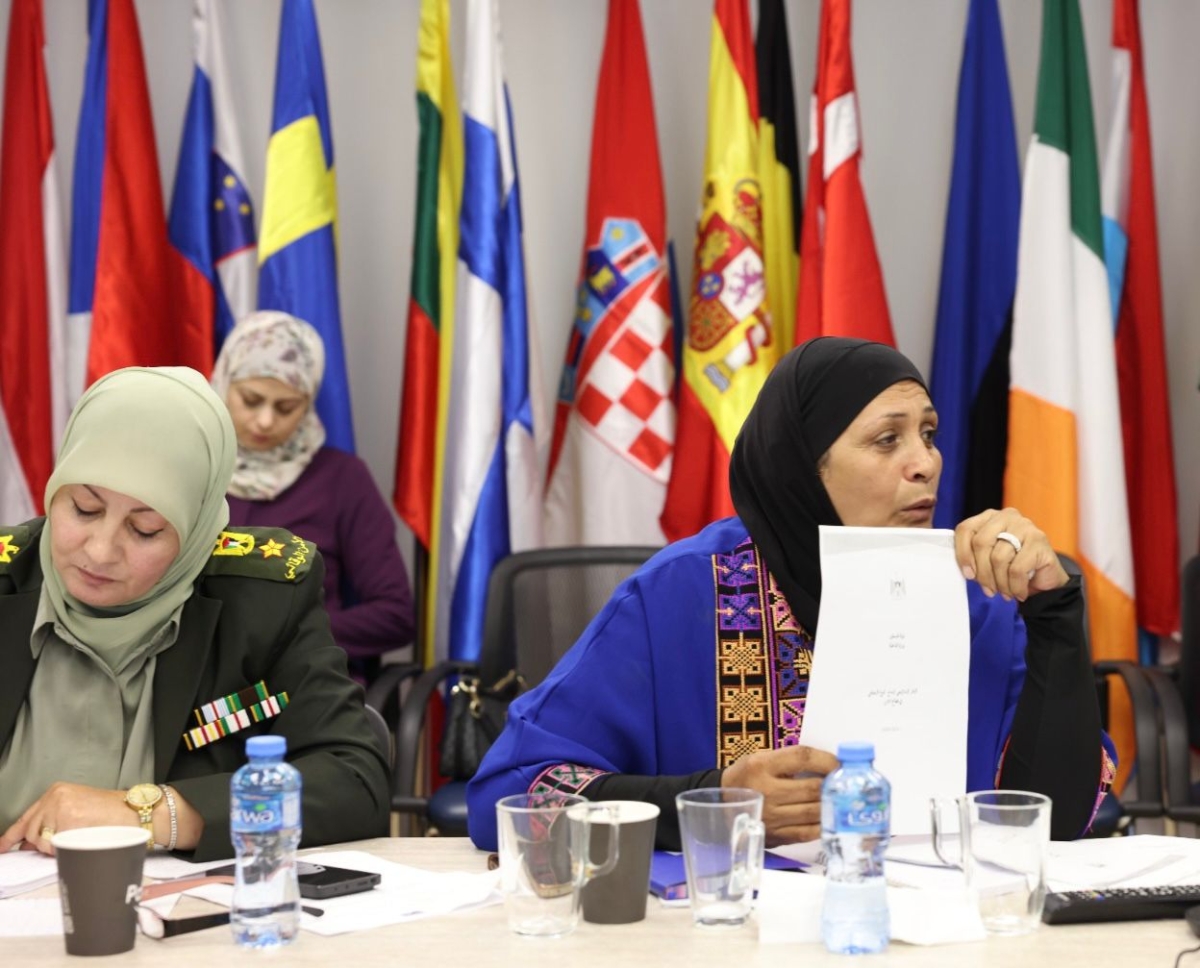
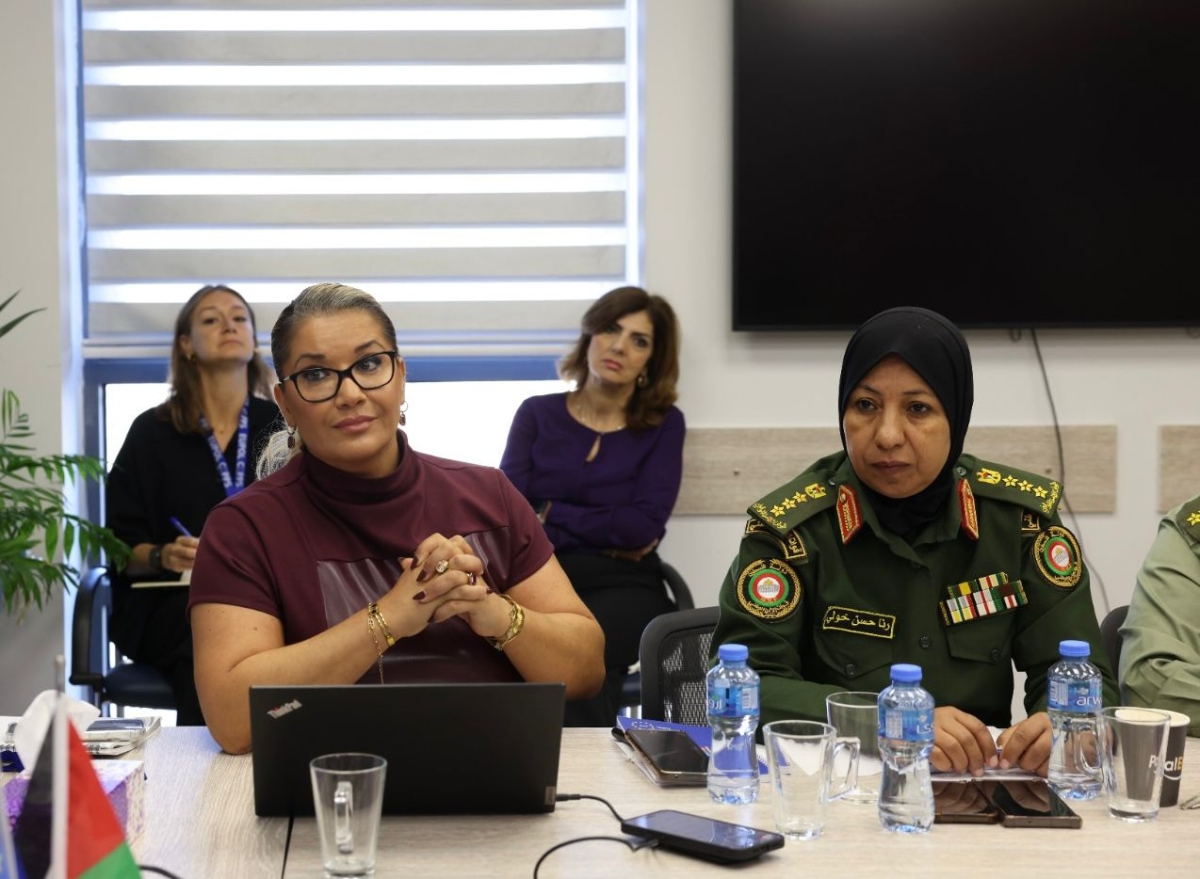
To share experiences and encourage a joint commitment for the advancement of the Women, Peace and Security Agenda, EUPOL COPPS organised a round table dialogue, on 29 October in Ramallah.
The Palestinian UNSCR1325 Committee and the Advisory Committee, chaired by the Minister of Women's Affairs, including representatives from Palestinian government and civil institutions responsible for the implementation and monitoring the national action plan on 1325, engaged in discussions on the four pillars of UNSCR1325: Participation, protection, prevention and relief and recovery.
These refer to the need to include women in peace processes; protection as a right and foundation of peace; prevention as a shared responsibility for peace as a shared reward and recovery through gender justice to rebuilds lives.
In her opening and closing remarks at the event, EUPOL COPPS Head of Mission, Karin Limdal, highlighted the progress and challenges in advancing women’s participation and leadership in justice and security sector.
Co-chairing the event, the Palestinian Minister of Women’s Affairs, Muna Al-Khalili, mentioned mechanisms to lift barriers for women’s participation in decision-making, such as a quota system is now in place to ensure 30% representation in Palestinian state institutions. Although the implementation of the quota remains limited, efforts to strengthen it are in place, said the Minister.
Talking about how Palestinian women’s decision-making role in security sector can be further strengthened, Brigadier Ranna Al-Khawli, Head of Gender Unit within the National Security Forces underlined that women in the security sector are trained to the same standards and qualifications as their male peers and strive to gain the same access to leading roles. She underscored the need to increase women’s representation in decision-making positions.
Lt. Col. Abla Abu-Alrub, Head of the Gender Unit, Palestinian Civil Police (PCP) talked about mechanisms to protect women from gender-based violence (GBV). She detailed about the different mechanisms in place within the PCP, including the National Referral System, legal counseling centers and social services. A major challenge is the lack of women’s shelters, she stated.
On the topic of the National Committee and the Advisory Committee meeting obligations to implement the prevention pillar in the absence of a legal framework, namely the Family Protection Law, Nihad Wahdan, Head of the Gender Unit, Ministry of Interior and Sec. General of the Advisory Committee, said that prevention and awareness are key. In this regard she mentioned a strategic framework in place based on 1325 resolution and standardized training curriculum.
Brigadier Wafa Khader, Head of Gender Unit in the Military Intelligence/ Head of the Advisory Committee on 1325 talked about the importance of protection laws and training for female military staff as means to reach leadership and decision-making positions.
Sarah Al-Khateeb from the Non-Governmental Organization MIFTAH (The Palestinian Initiative for the Promotion of Global Dialogue and Democracy), mentioned that statistics on women’s participation in the security sector show low figures, while Palestinian women are actively present everywhere, in the West Bank, Gaza Strip, and refugee camps. She also underlined about the essential need to ensure prevention and proper response to cases of violence for women and men alike.
On post-conflict reconstruction and recovery being gender responsive, Colonel Najwan Qandil, Head of Gender Unit in the Military Medical Services said that relief and recovery aren’t only about rebuilding what has been deconstructed but about shaping a gender responsive future.
The participants agreed on occupation-related violence remaining the main barrier to improving Palestinian women’s status, as UN data show. This does not exempt the Palestinian Authority to adhere to Human Rights principles and advancing Gender equality, the participants agreed.


Follow us on Social Media


