


Judicial Workload’s challenges & Solutions Workshop organised in Ramallah

Judicial backlog is a challenge affecting multiple stages of the justice chain, from investigation and prosecution to trials and enforcement of decisions. In Palestine delays are aggravated by pressing challenges given by the context, including movement restrictions.
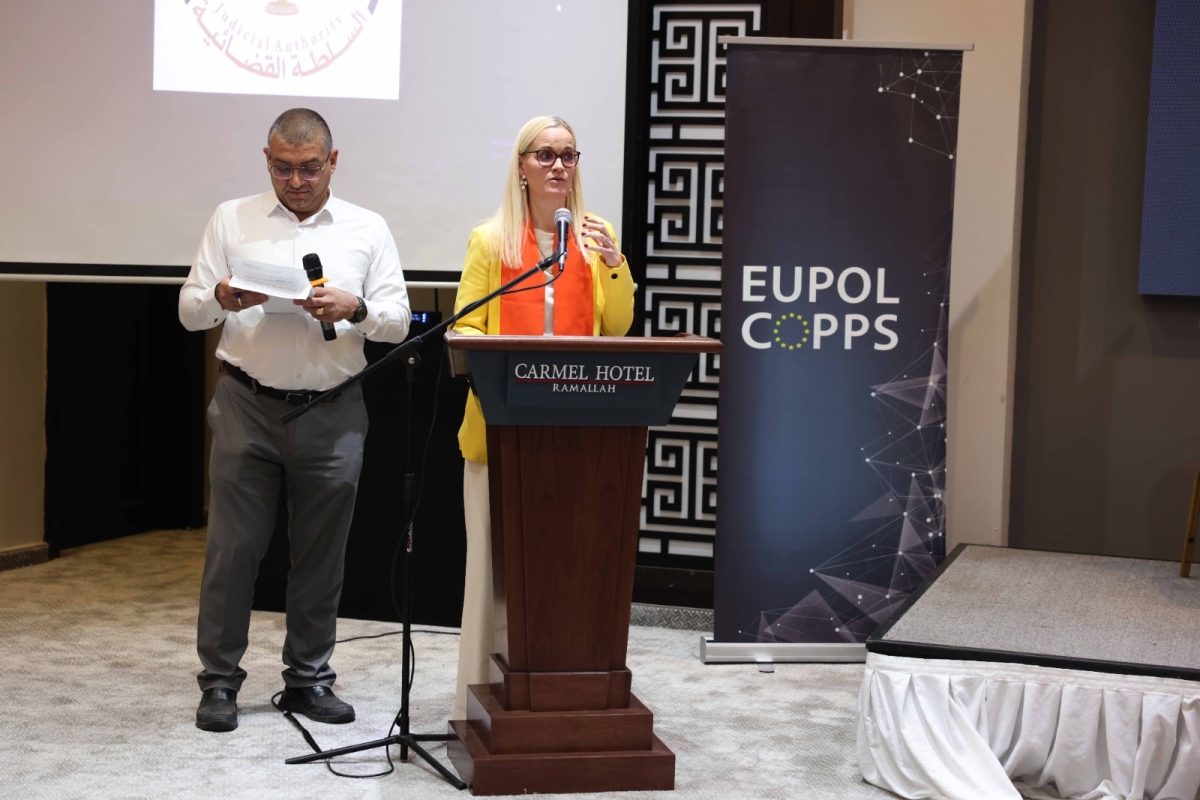
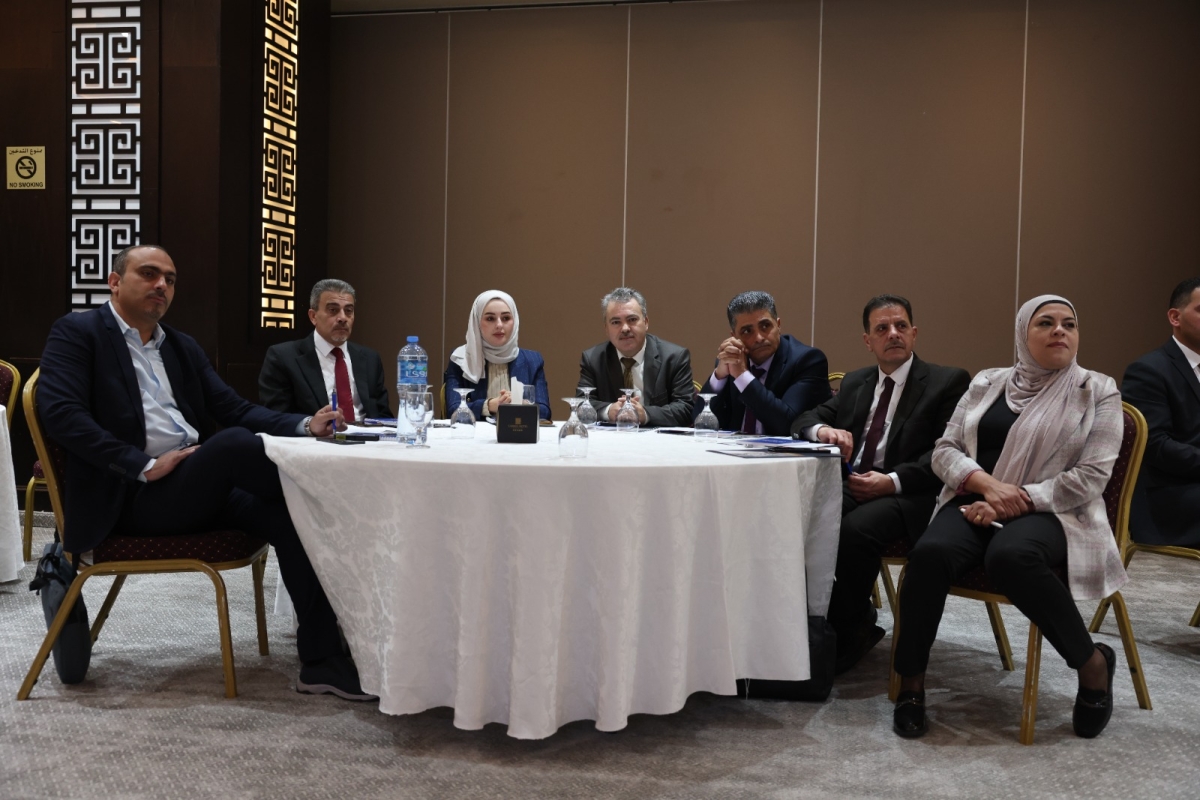
To support Palestinian actors involved in the justice chain on succeeding in mitigating backlog and improve performance, EUPOL COPPS and the Palestinian High Judicial Council (HJC) organised the “Judicial Workload – Reality, Challenges, and Solutions” workshop, bringing together presidents and judges from all Palestinian courts, along with the heads of departments within the HJC, on 6 and 7 December, in Ramallah.
Key takeaways and recommendation of the workshop included how to categorise accumulated cases so they can be prioritised and handled more effectively; unifying judicial precedents, so that courts are taking decisions avoiding that the same legal issue receives different solutions by different judges (uniformity in application of law so that rulings are consistent); reduce delays; strengthen judicial and administrative capacities. The recommendations emphasised the need for accelerating legislative amendments, particularly in criminal procedures, and the need to boost transparency, performance monitoring, and service quality.
With a practical, hands-on approach, participants exchanged on lasting solutions to improve access to justice, sustainable action plans with clear responsibilities, measurable indicators, and effective follow-up system in the courts through an integrated electronic case management system (called Mizan 3).
In her opening remark, EUPOL COPPS Head of Mission (HoM), Karin Limdal, underlined how reducing the backlogs is key to enhance judicial efficiency, strengthen fair trail guarantees, improve service quality, and reinforce public trust in the courts.
The Palestinian Chief Justice, Muhammad Abdel Ghani Al-Aweiwi, stressed that adherence to event’s outcomes is not merely a step toward improving daily procedures, but a national duty that strengthens public trust in the justice system, serves Palestine’s higher interest, and equips the judiciary to confront future challenges with competence and professionalism. He also expressed appreciation for the cooperation with EUPOL COPPS.
On the occasion, the HoM reaffirmed the Mission’s committment to supporting the HJC, including in following up on the outcomes of the workshop, supporting in translating them into tangible improvements for the courts and for the public they serve.



Follow us on Social Media


