


One of Us

Much of Samir Shoukri’s work is invisible, but its impact is not.
For 15 years, the 55-year-old electrical engineer from Attil, north of the West Bank, has worked at EUPOL COPPS on IT and communications, supporting the daily work of the Palestinian Civil Police (PCP).
His journey into the IT field began long before EUPOL COPPS. After graduating in electrical engineering from Birzeit University and obtaining a master’s degree in computer engineering from Italy, he spent many years working for one of Palestine’s leading telecommunications companies, building the knowledge and practical experience that would later shape his work with the PCP.
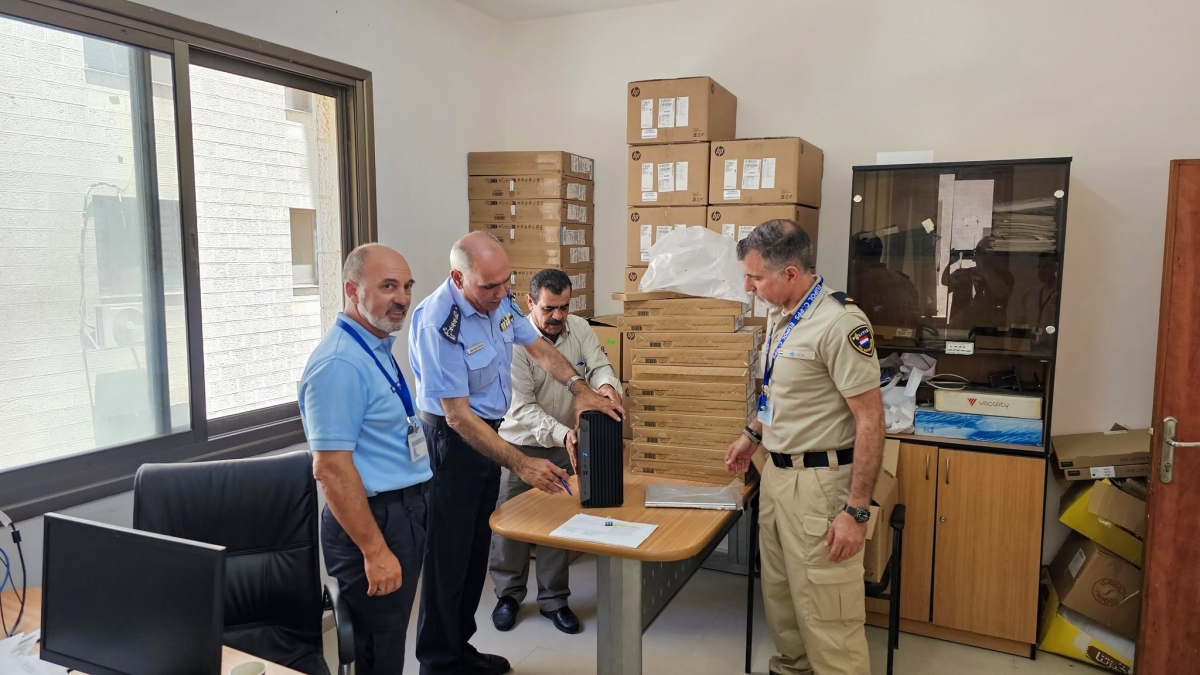
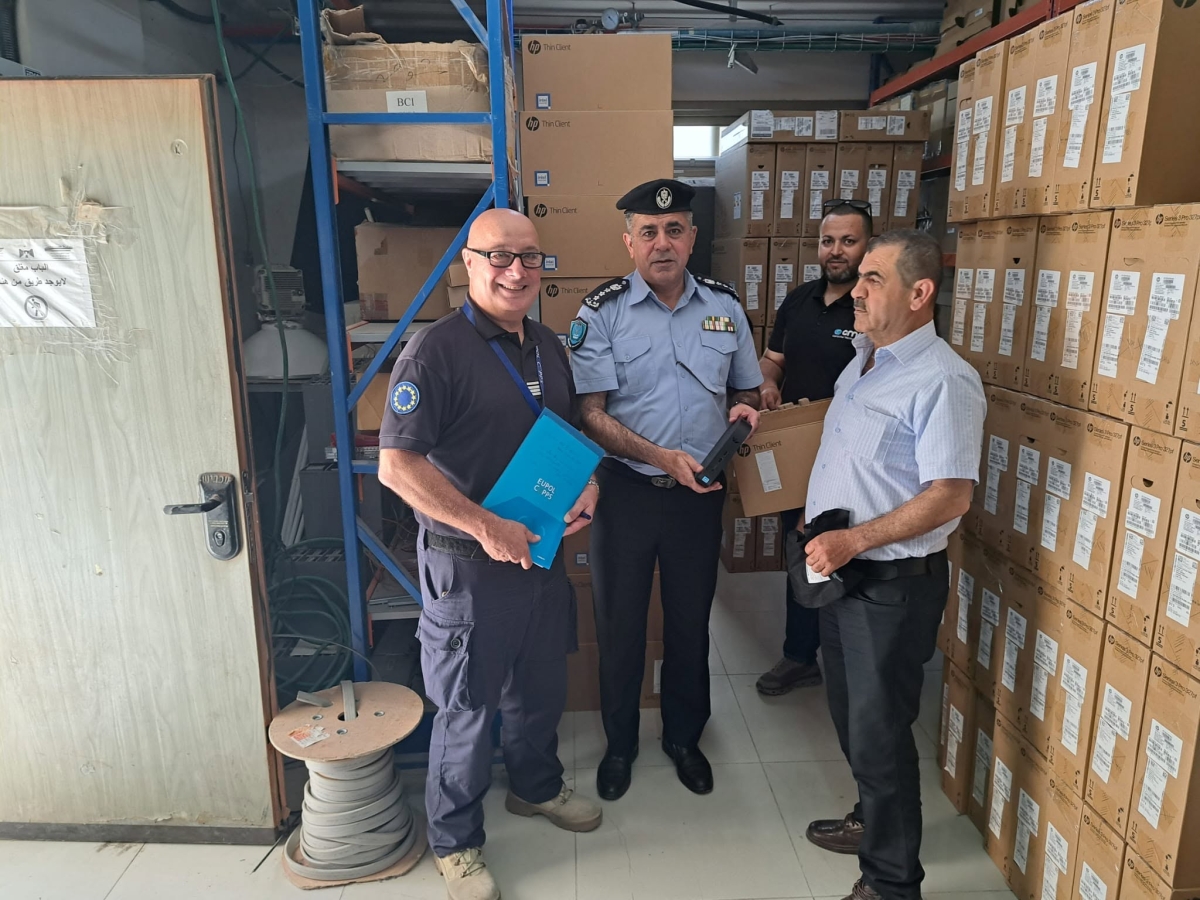
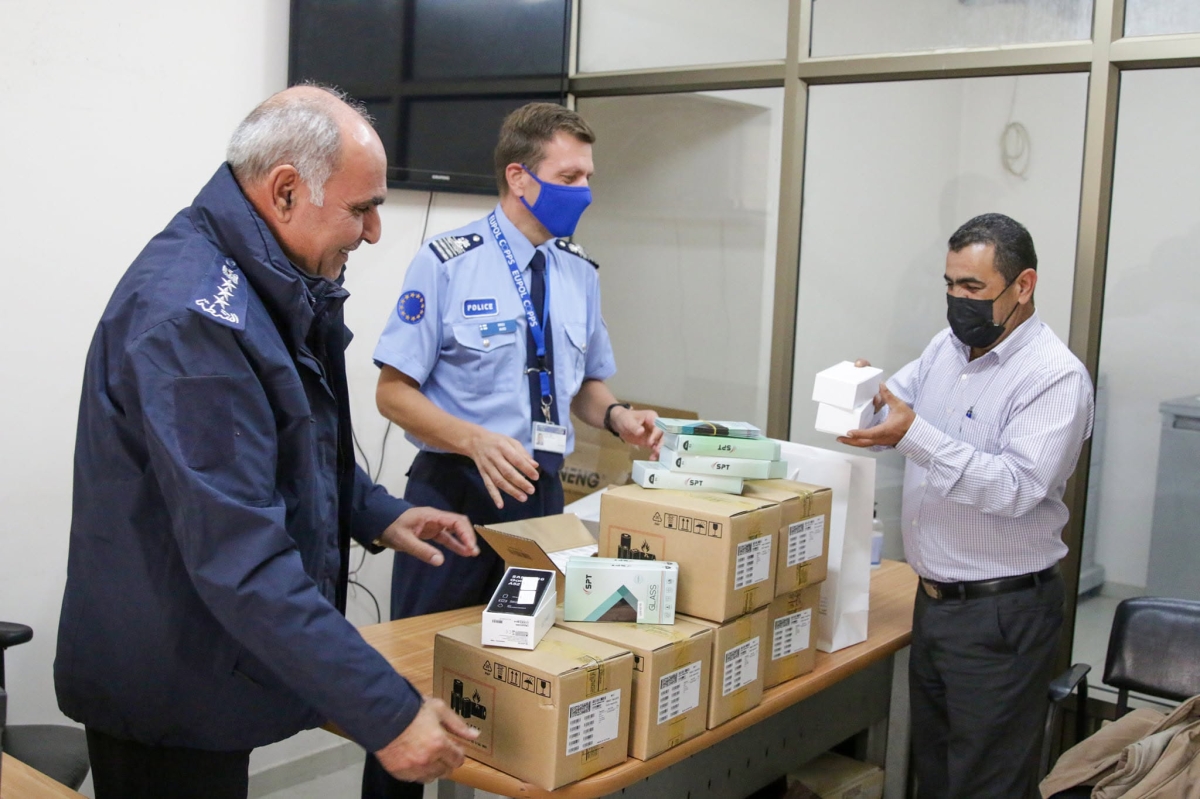
Radio communication systems, helping connect police districts, troubleshoot technical problems and ensure that technology works reliably in practice are among the tasks he performs at EUPOL COPPS. One of Samir’s major achievements has been contributing to establish the PCP’s main data network, connecting all 11 police districts across the West Bank through a microwave network independent of local telecommunications infrastructure.
The network, funded mainly by Canada, Germany, the United States and several EU member states, includes servers, routers, switches, computers, police radios and other communication systems, enables all police units to exchange information more securely, coordinate their work more efficiently and save time.
Beyond the technology he helps build and maintain, Samir’s passion is deeply rooted in something very different from the IT domain: the olive groves.
When the olive season arrives in October, a cherished annual tradition in Palestinian life, Samir moves to the groves.
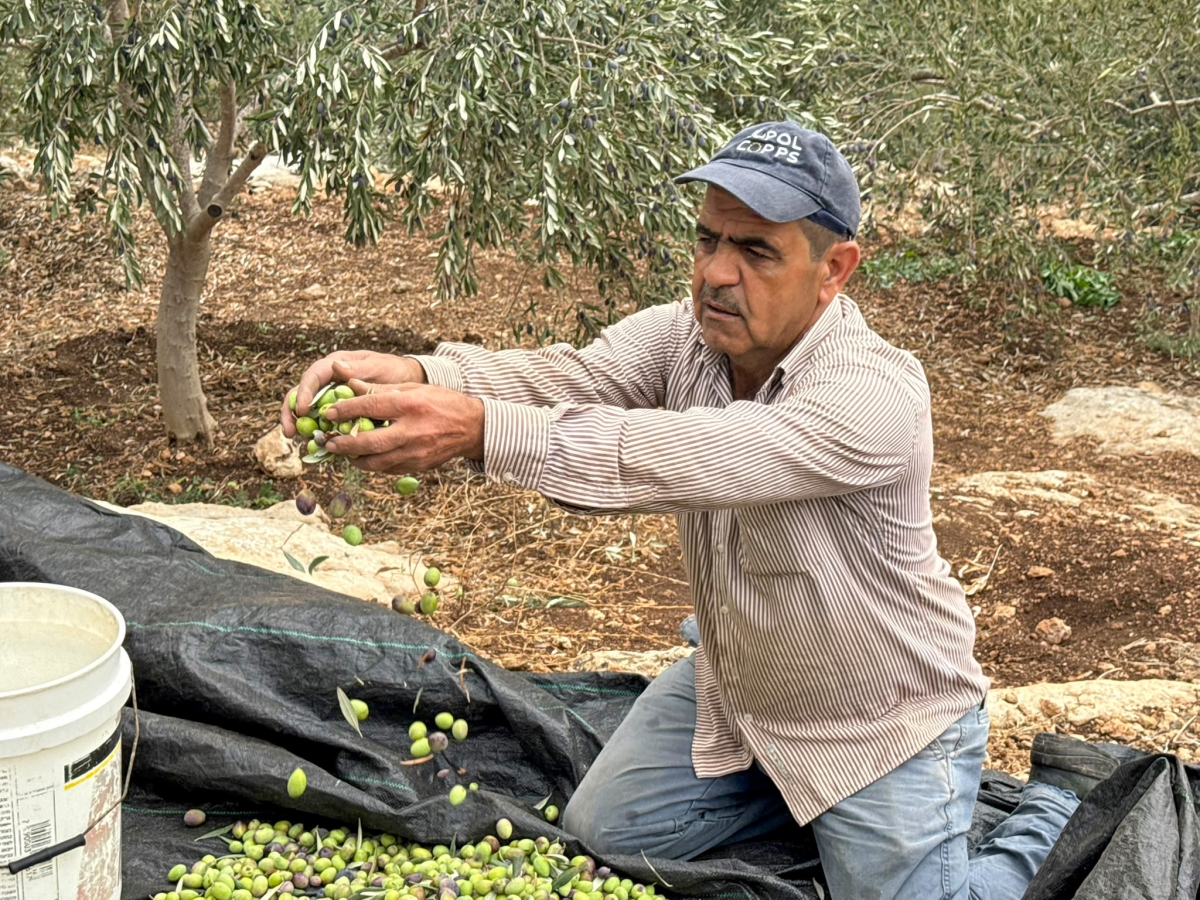
Among the trees in the hills around Attil, the engineer becomes a farmer. His hands, accustomed to technology and equipment, move carefully through the branches as he hand-picks olives.
The practice was passed down to him by his father and grandfather, and he is determined to keep it alive. When the harvest begins in October, he brings his children to the groves, sharing with them a family heritage rooted in the land.
“My work connects people through technology, but the olive trees connect me to my roots. One is about innovation and progress; the other is about family, tradition and the land we inherit and pass on to our children,” he said.
Years spent outdoors have left their mark on Samir. His moustache, sun-touched features and ready smile reflect a man at ease among the trees.
A father of six, Samir balances two very different worlds. His professional life demands precision, innovation and constant adaptation, while farming follows the slower rhythm of the seasons.
Throughout his career, he has helped information move quickly and efficiently across police networks. In the olive groves, however, he finds fulfilment in a tradition shaped by family, the land and the passing of time.
“Two worlds, seemingly far apart, have become equally important parts of my life.”


Follow us on Social Media


